Loading...
Serving Fortuna Foothills, AZ and surrounding areas. (928) 459-8039
Rocky caliche soil, desert wind, and persistent coyotes make fencing in Fortuna Foothills harder than most places. We bring the right equipment and design every fence for the conditions on your specific property.
Farm and ranch fencing in Fortuna Foothills covers perimeter fencing to keep livestock in, cross-fencing to divide pastures, and predator barriers to keep coyotes and javelinas out. A straightforward perimeter on a one-to-five-acre property typically takes one to three days with a two-person crew, though caliche soil and complex layouts with multiple gates can extend that timeline.
The Sonoran Desert soil here is not like other parts of Arizona or the country. Caliche - a rock-hard layer that forms just below the surface in much of the Yuma County area - requires specialized equipment to drill through. A contractor who shows up without the right tools will either set posts too shallow or not finish the job. We assess soil conditions at every site before we quote and bring the equipment to handle what we find.
If you also need fencing for dogs or small pets on the same property, our pet and dog fencing service covers enclosures designed for animals that dig and climb. For cost-effective wire perimeter options, our chain link fence installation page covers gauge, coating, and height choices for the desert climate.
If you walk your fence line in spring and notice posts that have tilted from where they were set, they likely were not set deep enough to handle the wind loads common in the Yuma area. A leaning post puts stress on the entire fence line and will cause wire to sag or pull loose over time - worth addressing before the next wind season, not after.
If livestock are getting out or predators are getting in, the fence is not doing its job - regardless of how it looks from a distance. In the Fortuna Foothills area, coyotes are persistent diggers. Walk the full perimeter and look for disturbed soil, bent wire, or gaps at ground level before assuming the fence line is intact.
Sagging wire is one of the most visible signs that a fence is losing tension and structural integrity. It can happen because posts have shifted in caliche soil, because corner bracing has failed, or because the fence has aged past its useful life. A fence with sagging wire is both a containment failure and a safety hazard for animals that can get tangled in loose strands.
Many parcels in Fortuna Foothills were sold as raw desert land without fencing in place. If you recently purchased acreage and plan to keep animals, a perimeter fence is the first thing you need before anything else. Starting from scratch also lets you design the layout correctly from the beginning rather than working around previous decisions.
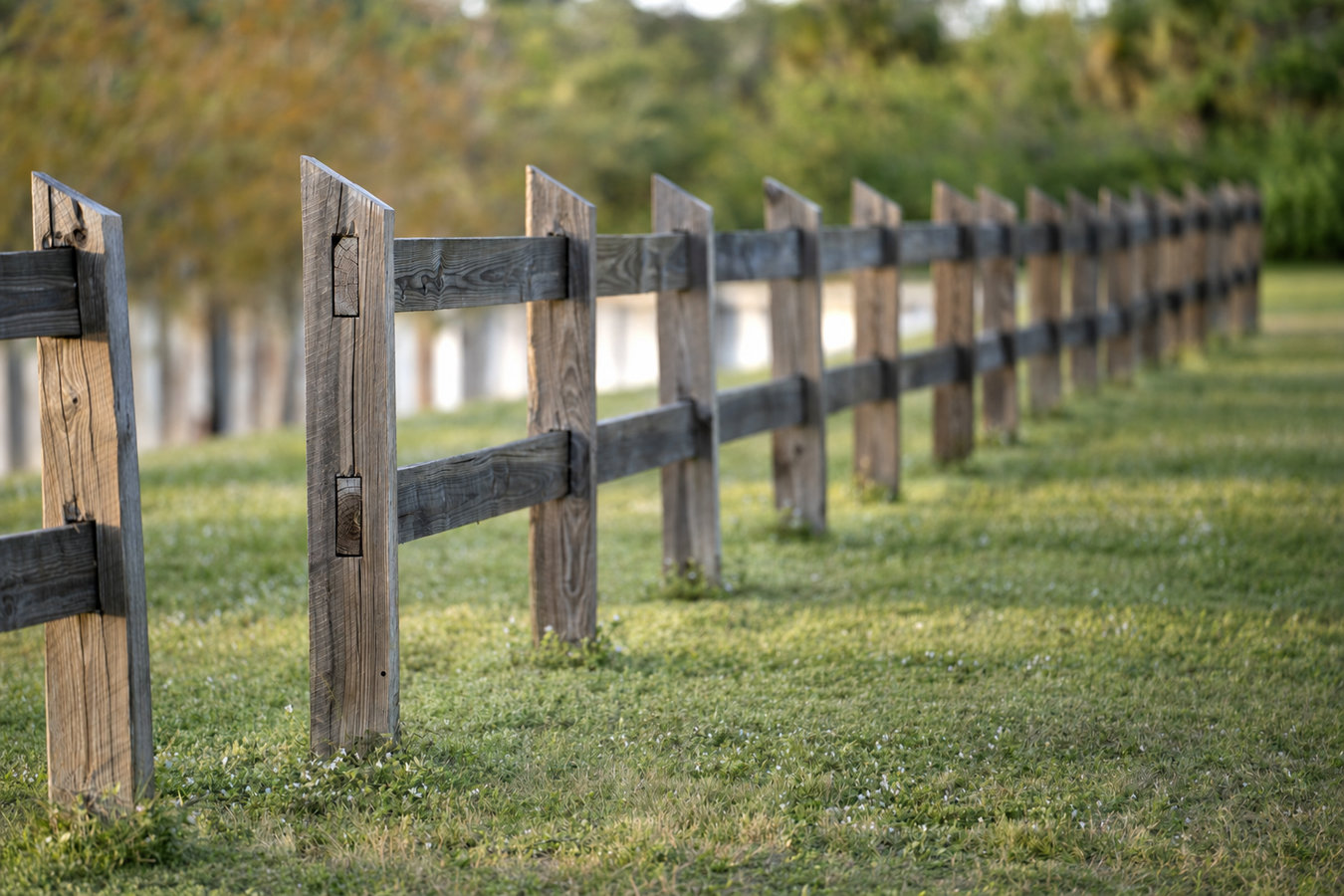
We install wire fencing, high-tensile wire, pipe rail, and welded wire systems for agricultural properties in the Fortuna Foothills area. The right choice depends on what animals you have, how much land you are enclosing, and what predator pressure you are dealing with. Wire fencing with treated wood or steel T-posts is the most common starting point and offers the best cost-per-linear-foot for large perimeters. Pipe rail is heavier and more permanent, suited to horse operations or properties where appearance matters alongside function. High-tensile wire is a strong option for long runs where you want a fence that holds tension over time without constant adjustment.
Corner and end post bracing is one of the most important details in any agricultural fence, and it is where poor workmanship shows up first. The whole fence line hangs off those anchor points, and a corner that is not properly braced will let the entire run go slack within a season. We build corners and ends to hold the tension of the fence - not just look right on installation day. If you need dedicated enclosures for dogs alongside your agricultural fencing, our pet and dog fencing page covers that, and our chain link fence installation page covers the full range of wire gauge and coating options for desert conditions.
The most cost-effective option for large acreage - galvanized wire with treated wood or steel T-posts set for Yuma County wind and caliche soil.
A heavier, longer-lasting option suited to horse operations and properties where strength and appearance both matter.
Best for long fence runs where maintaining tension over time matters - fewer posts and less maintenance than standard wire over the life of the fence.
Wire fencing with a buried apron and appropriate height for coyote and javelina pressure - designed specifically for properties adjacent to open desert.
Divides your property into separate grazing or management areas - particularly useful when rotating livestock or keeping multiple species separate.
Gates set on deeper, heavily braced posts with hardware that swings true and latches securely - built to outlast the fence panels on either side.
Fortuna Foothills sits at the edge of open desert, adjacent to the Gila Mountains, where coyotes and javelinas regularly wander into properties with livestock or small animals. A standard wire fence that works fine in the Midwest or other parts of Arizona may not be adequate here without modifications like a buried apron along the bottom to stop digging. The strong seasonal winds in the Yuma area - particularly in late winter and early spring - put real stress on fence lines that were not built with enough corner and end post bracing. A fence that looks fine after installation can show serious problems after the first hard wind event if those anchor points were not built correctly.
The caliche layer common across Yuma County adds equipment and labor requirements that contractors from outside the region often underestimate. We work throughout this area and are familiar with how soil conditions vary from one parcel to the next, including in communities like Wellton, AZ and Dateland, AZ, where agricultural properties and open desert land are common. We walk every property before we quote so the number you see reflects what the job actually requires.
We respond within 1 business day. We will ask how much land you are enclosing, what animals you have, and whether you are starting fresh or replacing an existing fence. Phone estimates for desert properties are not reliable - we schedule a site visit before quoting.
We walk the property line with you, check soil conditions, note any obstacles like irrigation lines or rocky outcroppings, and ask about your goals. We will also confirm whether underground utilities need to be marked - we handle that step. You receive a written estimate within a few days of the visit.
Before any digging starts, we contact Arizona 811 to have underground utilities marked at no cost to you. If Yuma County Development Services requires a permit for your project, we handle the application. You should not have to chase anyone for updates.
Corner and end posts go in first - those are the anchors the whole fence line depends on. A straightforward one-to-five-acre perimeter typically takes one to three days. Before we leave, we walk the finished line with you and confirm every gate opens, closes, and latches correctly.
We walk every property before quoting - no phone guesses. We will tell you exactly what the job requires and what it will cost, in writing, before any work begins.
(928) 459-8039We bring the specialized equipment needed for caliche hardpan to every Fortuna Foothills job. Posts are set below the hardpan layer, not just into the softer soil above it - which is the difference between a fence that stays plumb for years and one that leans after the first hot summer.
We design farm fences with the actual predator pressure of the Fortuna Foothills area in mind - including buried wire aprons to stop coyotes from digging under, and the right wire spacing and height to keep javelinas from pushing through. Tell us what you are protecting and we design for it.
You can verify our license status at roc.az.gov any time. Licensed means we carry required insurance, handle 811 utility marking as required by Arizona law, and are subject to state oversight. A license also gives you a formal complaint process if something goes wrong.
We will not book your project in July to get your deposit and then delay. We give honest scheduling advice upfront - the best window for fencing work in Fortuna Foothills is October through April - and we make sure you are on the calendar before the good-weather season fills up.
Farm and ranch fencing in the Sonoran Desert is not the same job it is in other parts of the country - the soil, the climate, and the wildlife pressure are different enough that local experience genuinely matters. We built our process around those realities so that every fence we install stays useful through years of desert wind, heat, and animal pressure.
For soil and agricultural guidance specific to this region, the University of Arizona Cooperative Extension publishes research on desert soil conditions and land management. For utility marking before digging, Arizona 811 is the free service required by state law before any post-hole work begins.
If you need a secure enclosure for dogs alongside your agricultural fencing, our pet and dog fencing covers the materials and heights that stop determined diggers and jumpers.
Learn MoreChain link is a cost-effective and durable option for some agricultural applications - see our full guide to gauge, coating, and height options for the desert climate.
Learn MoreExperienced crews in Fortuna Foothills book fast once the weather cools - call now or submit your details and we will get back to you within 1 business day.